In our previous article, we explained what anxiety is.
In short, Anxiety is something we all experience from time to time, especially during stress, uncertainty, or change. It’s part of our body’s natural response to perceived threats, helping us stay alert, focused, and safe. Strategies that help us regulate and channel this response allow anxiety to serve its original purpose— to protect ourselves and others and prepare for challenges —without overwhelming us.
In this article, we answer what is eco-anxiety? What is climate anxiety? What is weather trauma?
What is Eco-Anxiety?
Eco-anxiety is an umbrella term and a way of describing anxiety where stressors are from environmental issues—like pollution, biodiversity loss, or the health of ecosystems. It’s often driven by a sense of helplessness or grief about the damage being done to nature and its impact.
You might feel eco-anxiety when:
You see news about species extinction or deforestation
You notice changes in your local environment
You feel overwhelmed by the scale of environmental problems
Eco-anxiety can be especially strong in people who care deeply about nature, work in environmental fields, or feel a strong connection to the land.
Eco‑anxiety is not classified as a mental disorder. Instead, it is understood as a stress response and a range of associated feelings that are a natural emotional response to stressors related to the environment, including perceived or real-world concerns.
What is Climate Anxiety?
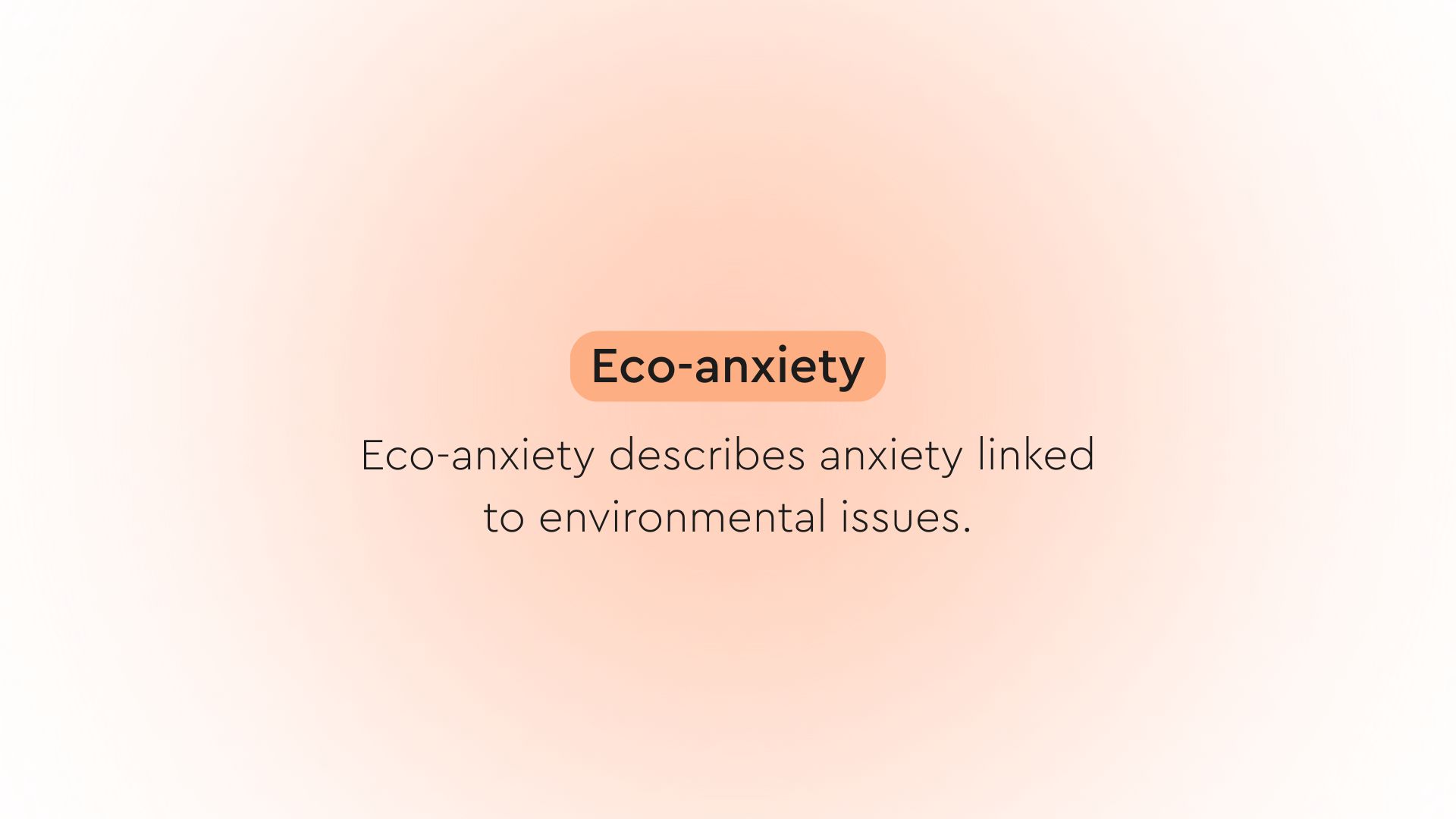
Climate anxiety is a type of eco-anxiety that is in response to climate change in particular. It’s fear, worry, or despair about the impact on people, animals, plants and the future of the planet due to rising temperatures, extreme weather, and global inaction.
This type of anxiety can be triggered by:
News about wildfires, droughts, or melting ice caps
Feeling powerless to make a difference
In Aotearoa, events like the Auckland floods have brought climate anxiety closer to home. When homes are damaged, communities are displaced, and infrastructure is overwhelmed. It’s natural to feel anxious—not just about the event itself, but about what it means for the future.
Climate anxiety can affect anyone, but it’s especially common among young people, parents, and those living in vulnerable areas.
What is Weather Trauma?
Trauma can cause lasting changes in our brains that keep us in a frequent or constant “fight, flight, freeze, or fawn” response leading to ongoing anxiety.
Anxiety related to having experienced traumatic weather events in the past can show up in different ways including re-experiencing past events, hypervigilance, physical symptoms like fast heartbeat, shaking or sleep difficulties, and behaviours like avoidance.
Anxiety can develop after experiencing traumatic events like:
Natural disasters (e.g. flooding, cyclones, earthquakes)
Sudden loss or displacement
Repeated exposure to environmental stress
For example, someone who experienced the Auckland flooding might:
Feel anxious every time it rains heavily
Avoid certain areas or activities
Experience flashbacks or panic when reminded of the event
Anxiety can be connected to a post-traumatic stress response and can persist without help. Your reactions are real and deserve attention and care. Seeking support when you need it is an important step. It can help you recognise the coping strategies you’re already using, strengthen those that serve you well, and explore new, healthy approaches to achieve your goals over the long term.
It's important to keep in mind that trauma doesn’t always show up right away. It can surface weeks, months, or even years after an event.
You might notice changes in mood, relationships, or physical health. That’s why ongoing check-ins — with yourself and others — are so important.
Healing isn’t linear. It’s okay to ask for help.
Why This Matters
Understanding these types of anxiety helps us:
Recognise what we’re feeling and why
Respond with compassion—to ourselves and others
Take meaningful action without becoming overwhelmed
Want to strengthen your wellbeing, support someone who needs help, or build resilience to navigate life’s challenges – especially in relation to eco-anxiety? Steady in Uncertain Times is a free micro course designed for anyone experiencing anxiety related to climate change or weather events —and for anyone who wants to build their resilience.
This course equips you with practical skills and strategies to respond to anxiety, recognise and manage emotions, expand your capacity to feel present, calm, and safe, and build resilience.
Need help now?
If you’re struggling with anxiety or just want to talk to someone, Anxiety NZ offers a free 24/7 helpline.
Call 0800 ANXIETY (0800 269 438)
We’re here for you—any time, any day.
Articles that you might find helpful
A personal story of what it's like to live with anxiety
Brief guided visualisation for supporting anxiety
Want to strengthen your own wellbeing, support someone who needs help, or build resilience to navigate life’s challenges? Steady in Uncertain Times is a free micro course designed for anyone experiencing anxiety related to climate change or weather events —and for anyone who wants to build their resilience.